Embedded product teamsA complete product team, embedded in your business.
Get a dedicated, cross-functional team of developers, QA, a product designer and a tech lead who take ownership of part of your product. They work in your rhythm and with your product owner, and they organise their own delivery.
- years building software products
- 7+
- projects delivered
- 40+
- Clutch rating from 8 client reviews
- 5.0
- engineers, designers and product managers
- 30+
Products we built and scaled
 AutoDice
 Husqvarna ReSpare
 Trailondo
Embedded team vs staff augmentation vs fixed-price project.
The three models differ in who manages the work and who owns the outcome. Choose by how long the work lasts and how much you want to manage yourself.
| Best for long-term productsEmbedded product teamA complete team that owns part of your product | Staff augmentationSpecialists who join the team you manage | Fixed-price projectAn agreed scope at a fixed price | |
|---|---|---|---|
| Who manages the work | Our tech lead or PM, working with your product owner | Your managers, inside your team | Ncoded, against an agreed plan |
| Who owns delivery | The team owns a part of your product and its outcomes | You own delivery; specialists add capacity | We deliver an agreed scope |
| Best for | Larger products and long-term development with a living roadmap | Filling specific skill gaps in a team you already run | MVPs and projects with a clear, stable scope |
| Typical duration | Many months to years | Weeks to months | Weeks to a few months |
| Scaling | Add or change roles as the roadmap changes | Add or remove individual specialists | Scope changes go through change requests |
| Billing | Monthly, based on team composition | Monthly, per specialist | Fixed price for the agreed scope |
Not sure which model fits? Many clients start with a fixed-price MVP and move to an embedded team once the product grows. See fixed-price packages
Who is on your embedded team.
Every team is shaped around your product and roadmap. A typical setup has four to eight people, and specialists join for as long as the product needs them.
Tech lead or project manager
Your single point of contact. Plans sprints with your product owner, removes blockers and reports on progress, risks and delivery.
Frontend developers
React, Next.js and Angular engineers who build fast, accessible web interfaces and keep the design system consistent.
Backend developers
Node.js and .NET engineers who design APIs, data models and integrations with your existing systems.
Mobile developers
React Native engineers who ship iOS and Android apps from one codebase, alongside the web product.
QA engineer
Writes test plans and automated tests, and checks every release, so quality is part of the sprint, not an afterthought.
Product designer
Runs UX research, prototypes and UI design inside the sprint, so the team builds what users actually need.
DevOps and cloud engineer
Sets up CI/CD, infrastructure as code and monitoring on AWS, Azure or Google Cloud when the product needs it.
AI engineer
Adds LLM features, search, recommendations and automation where they create measurable value for users.
When an embedded team is the right model.
A dedicated team pays off when there is enough product work to keep a whole team focused for a long time.
A larger product with several parts
Your platform has modules, apps or user journeys that one team can own end to end.
A long-term roadmap
You plan development for quarters ahead, and priorities change as you learn from users.
Scaling after the MVP
The first version works, and you need a stable team to grow it without slowing down.
Enterprise modernisation
A legacy system, integration track or new platform needs a team that stays until it is done.
No capacity in-house
Your team is at full capacity, and hiring a full team locally would take months.
An embedded team in practice
AutoDiceNcoded Solutions completed everything we asked for, and more. They delivered on time and on budget, and I never felt that anything was falling through the cracks. Their communication is incredible, their attitude is excellent, and they always go the extra mile to solve issues. They're a great group of engineers and a great group of human beings.
More products built by Ncoded teams
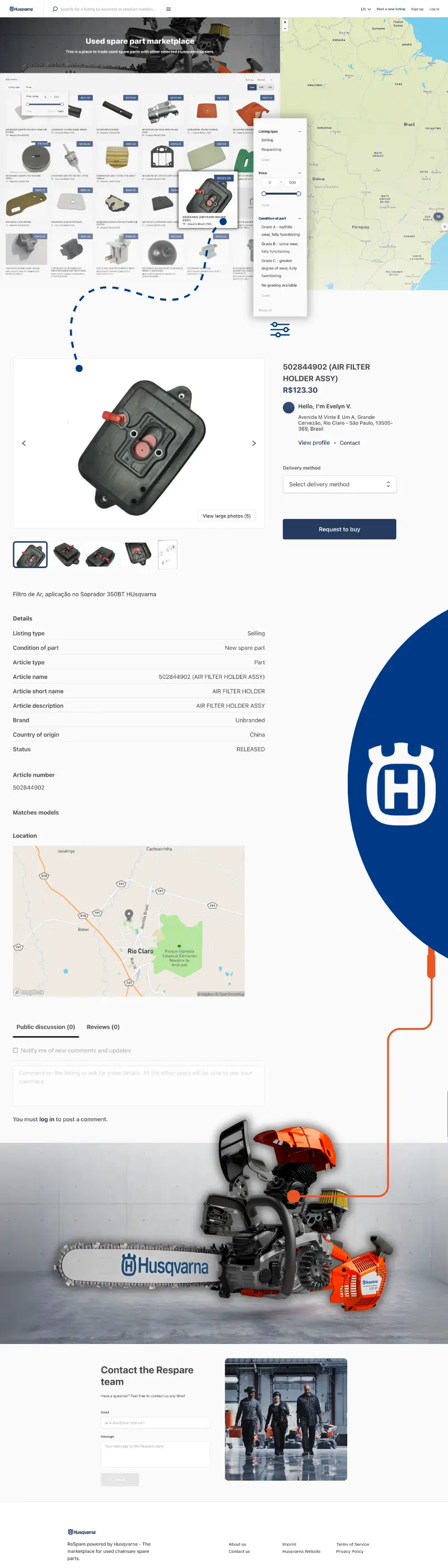
Ncoded Solutions - Husqvarna ReSpare
Discover how Ncoded Solutions helped Husqvarna develop a digital marketplace for seamless trading of spare parts. The platform provides advanced search and inventory management, allowing dealers to quickly find and trade original and discontinued parts, ensuring efficiency and smooth integration with existing systems.
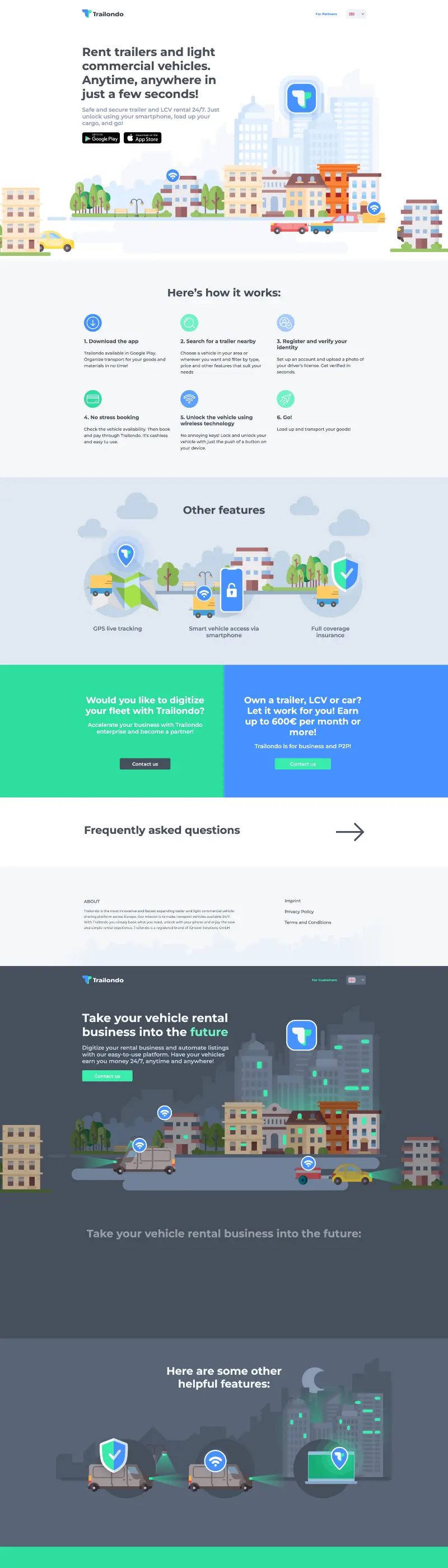
Ncoded Solutions - Trailondo
Learn how Ncoded Solutions developed Trailondo, an efficient vehicle rental platform combining peer-to-peer and business rentals. With real-time booking, secure wireless vehicle access, and automated driver’s license verification, the platform provides an easy experience for users and fleet managers. It supports trailers, cars, bikes, and more, available 24/7.
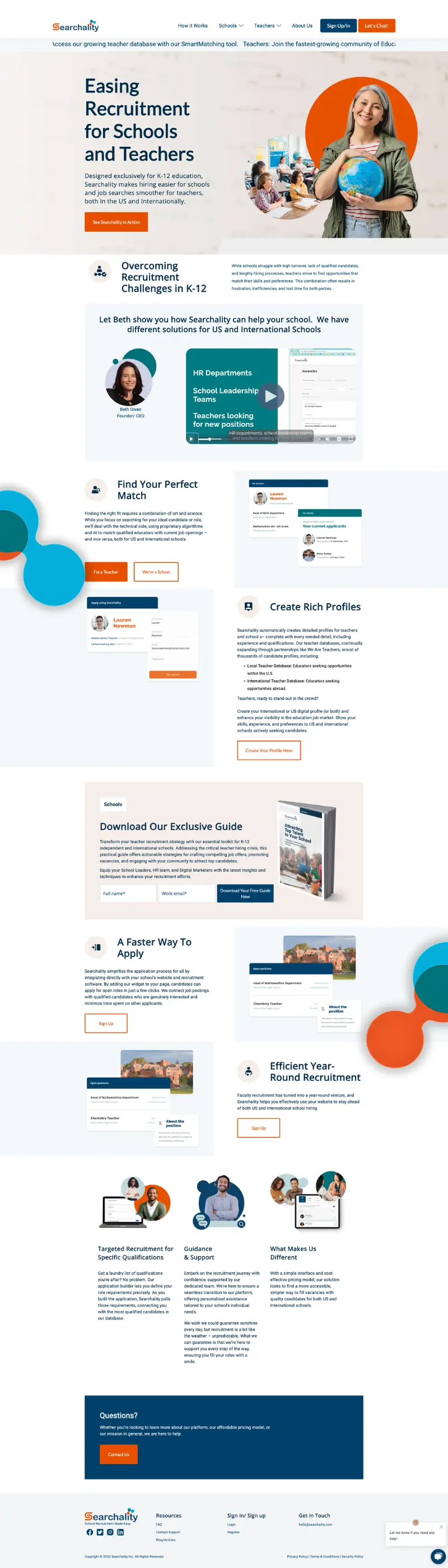
Ncoded Solutions - Searchality
See how Ncoded Solutions built Searchality, an advanced recruitment platform that connects educational institutions with top educators. Powered by AI-driven matching technology, it simplifies the hiring process, providing smart job recommendations for teachers and efficient vacancy management for schools.
How we set up your embedded team.
From the first call to the first release in a few weeks, with a clear deliverable at every step.
- 01
Discovery call
We learn about your product, roadmap, tech stack and the part of the product the team should own.
You get A shared view of goals and scope - 02
Team design
We propose the team composition, seniority and working model, and introduce you to the people.
You get Team proposal and profiles - 03
Kickoff
Within 1–2 weeks the team joins your tools and ceremonies, gets access and learns the codebase.
You get Onboarded team and a first backlog - 04
First sprint
The team plans with your product owner and ships its first increment to review.
You get Working software in your environment - 05
Ongoing delivery
Regular sprints, demos and retrospectives. The team grows or changes as your roadmap evolves.
You get Steady delivery and regular reporting
Get a product team that owns its part of your product.
Tell us about your product and what you want the team to take over. We'll propose a team and a working model, whether or not you go ahead with us.
Embedded product team questions
What is an embedded product team?
An embedded product team is a dedicated, cross-functional team from an external partner, usually developers, QA, a designer and a tech lead or PM, that takes ownership of part of your product. It works in your rhythm and with your product owner, but organises its own work and is accountable for delivery.
What is the difference between an embedded team and staff augmentation?
With staff augmentation, individual specialists join your team and you manage their work. With an embedded team, you get a complete, self-organising team with its own tech lead, and it owns the delivery of a part of your product. You set priorities; the team decides how to deliver them.
How fast can an embedded team start?
Usually within 1–2 weeks after we agree on the team composition. The team joins your tools, gets access to the codebase and plans its first sprint with your product owner.
Who manages the team day to day?
Our tech lead or project manager runs the team's daily work, sprint planning and reporting. Your product owner sets priorities and accepts the work. You don't need to manage individual developers.
How does pricing work for an embedded team?
An embedded team is billed monthly, based on the number of people and their roles and seniority. There is no fixed scope, so priorities can change between sprints without change requests. We share a cost estimate together with the team proposal.
Who owns the code and intellectual property?
You do. The code lives in your repositories, and all intellectual property created by the team belongs to you.